
Traveling Tips
A free responsive site template designed by @ajlkn / HTML5 UP
Planning and Preparation
What's First? Planning a successful trip begins with thorough research and clear priorities. Identify your destination’s seasonal patterns, cultural norms, and transportation options so you can choose the best time to visit and avoid common pitfalls. Create a realistic budget that includes accommodations, meals, local transit, activities, and an emergency fund. Pack strategically by selecting versatile clothing, comfortable footwear, essential medications, chargers, and copies of important documents while minimizing bulk. Secure reservations and confirmations in advance for high‑demand attractions and accommodations, and keep digital backups of tickets and passports to reduce stress and speed recovery if something is lost during travel emergencies.
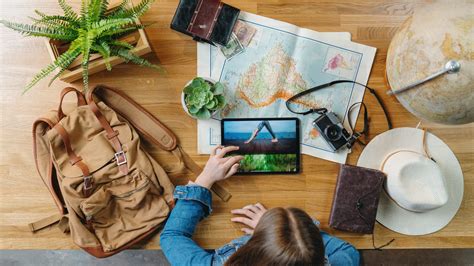
What's Next? Learn a few basic phrases in the local language and study etiquette to show respect and ease interactions. Prioritize safety by staying aware of your surroundings, using reputable transport, safeguarding valuables, and registering travel plans with friends or family. Embrace flexibility for delays or changes while maintaining an itinerary that balances planned experiences with time for spontaneous discovery. Use trusted guidebooks and local recommendations to find authentic dining and off‑the‑beaten‑path experiences, and travel sustainably by supporting local businesses, minimizing waste, and respecting cultural and environmental sensitivities. Document your experiences with notes and photos to help future travelers and preserve memories.
Packing Essentials
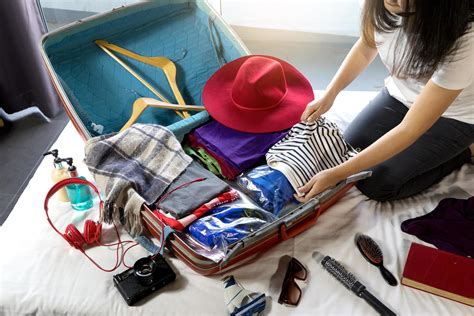
What to Pack? Packing well is one of the most important steps in preparing for a smooth and stress‑free trip. Start by choosing a reliable suitcase or backpack that fits your travel style and meets airline size requirements. Organize your clothing by selecting versatile pieces that can be mixed and matched, and roll items to save space and reduce wrinkles. Keep essential toiletries, medications, and personal care items in a small pouch so they are easy to access. Electronics such as chargers, adapters, and power banks should be packed in a dedicated pocket to avoid tangling or damage. Finally, always place your most important items—like passports, IDs, and travel documents—in a secure, easy‑to‑reach spot.
Smart packing also means preparing for unexpected situations. Even if you expect warm weather, bring a lightweight jacket or sweater because temperatures can change quickly in airports, airplanes, and new destinations. A small first‑aid kit with bandages, pain relievers, and basic supplies can be extremely helpful during long travel days. If you’re flying, remember to keep liquids under TSA limits and store them in a clear bag for faster screening. Weighing your luggage before leaving home can help you avoid surprise fees at the airport.
By planning ahead and packing intentionally, you’ll feel more organized, confident, and ready to enjoy your trip from the moment you walk out the door.
Cultural Awareness and Etiquette
What to Expect Understanding cultural awareness helps travelers build positive connections and avoid unintentional disrespect. Every destination has its own expectations around greetings, personal space, communication style, and social behavior, so taking time to learn these norms shows genuine respect. Simple actions—like using polite phrases, observing how locals interact, and dressing appropriately for religious or formal settings—can make a meaningful difference. Many cultures value modesty, patience, or quietness in public spaces, while others encourage open conversation and friendliness. Being mindful of these differences helps travelers adapt more easily and creates smoother, more enjoyable interactions throughout the trip.
Etiquette also includes understanding how to behave in shared environments such as markets, restaurants, and public transportation. Learning when to tip, how to queue, or how to handle negotiations can prevent misunderstandings and help travelers feel more confident. It’s also helpful to observe local dining customs, such as whether it’s polite to finish all food on your plate or leave a small portion. Respecting cultural traditions—like removing shoes before entering a home or speaking quietly in sacred spaces—shows appreciation for the community you’re visiting. These thoughtful habits help travelers build trust and enjoy more authentic experiences.
Travel Safety Tips
Stay aware — Keep valuables secure and avoid flashing expensive items in crowded areas.
Carry copies — Keep digital and paper copies of ID and reservations separate from originals.
Local laws — Briefly check rules on alcohol, dress, and public behavior to avoid fines.
Health basics — Pack a small first‑aid kit and any prescription meds in original containers.
Emergency contacts — Save local emergency numbers and your country’s embassy/consulate info.